
7 "Shocking Mistakes" That Are STILL Killing Brand Deals (Even in 2026)
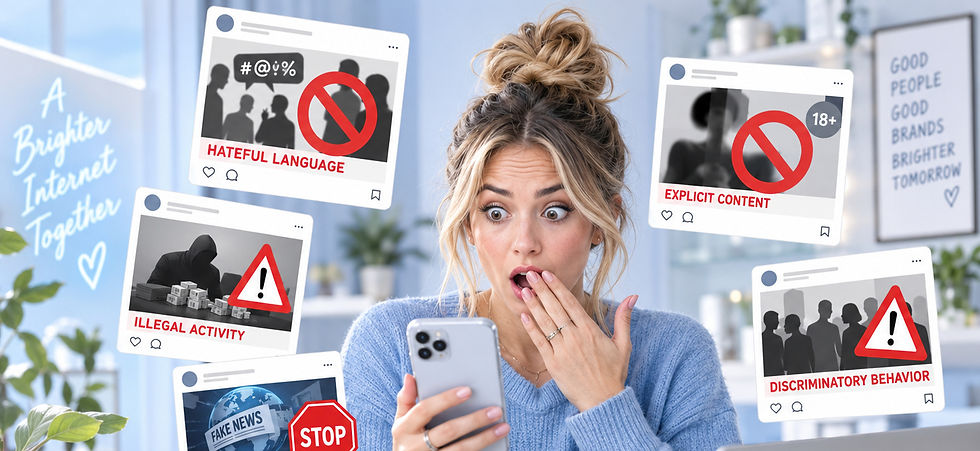
A few years back I wrote a book called Shocking Mistakes Killing Your Brand, and honestly? I thought by now the lessons in it would feel a little outdated. Nope. If anything, the stakes got higher. Brands aren't just eyeballing your last few posts before they sign you anymore. Now they're running your entire digital footprint through AI systems before they ever slide into your inbox. So I wanted to update the conversation for where things actually stand right now, because some of these mistakes are sneakier than you'd think.
1. The obvious stuff (that people still do anyway)
Hate speech, discriminatory language, explicit content, illegal activity, conspiracy theories: these are universal disqualifiers. No brand can defend being associated with them, full stop, no matter how big your following is.

2. The gray zone nobody warns you about
Here's where it gets interesting. Beyond the obvious red flags, there's a whole gray middle: political commentary, unverified claims on hot-button topics, edgy jokes that could land wrong. Some brands actually lean into edgy energy (FaZe Clan rebuilt itself around being provocative and it's worked for them), but plenty of others won't touch it. PewDiePie has literally lost sponsorships over controversial videos in the past. The lesson isn't "never have an opinion," it's "know exactly what kind of brand relationship you're building before you post something you can't walk back."
3. The silent killer: brand safety scoring
This one genuinely shocked me when I found it. Brands are now using AI tools that score creators on a scale before ever reaching out. One source described getting flagged with a literal 47-out-of-100 brand safety score, built from things like old controversial topics, language patterns, editing choices, even a joke made six months ago you completely forgot existed. Another platform scans across 11 different risk categories (threats, sexual content, drugs, alcohol, politics, even coded slang) and assigns a severity score to each individual post. Translation: it's not your highlight reel getting reviewed. It's everything.
4. Buying followers or fake engagement
It's detectable, it's a fast trust-killer, and it can tank a partnership before it even gets off the
ground.

5. Skipping the #ad disclosure
Not just a vibes issue, this is an actual legal requirement, and it's one of the fastest ways to burn a brand relationship (and get yourself in real trouble).
6. Being unprofessional or breaking trust behind the scenes
Posting brand content before it's cleared, leaking unreleased campaign material, promoting a competitor mid-contract, or just being genuinely difficult to work with. None of it shows up in a "controversial post" headline, but word travels fast in small industries, and it quietly closes doors.

7. Sloppy execution
Broken links, bad grammar, low-effort captions. Brands read it as "not serious," even when the content itself is good.
Real receipts, because these stories are wild
Scott Disick once posted a brand's exact paste-this-caption instructions as his actual live caption on a Bootea post, and the internet clowned him instantly for how fake it looked. James Charles had brands like Morphe cut ties after his scandal, costing him millions in deals, and his reach still hasn't fully recovered years later. And then there's Dylan Mulvaney and Bud Light: one single, fairly tame sponsored post landed in a massive culture-war crossfire and reportedly cost the company around $1.4 billion in lost revenue. Mikayla Nogueira and Jaclyn Hill both got called out for moments that felt inauthentic, which points to something bigger: audiences (and the brands watching them) have way less patience now for anything performative.

If you're building a modeling or pageant career, this part's for you
The advice from talent agencies is refreshingly simple: if you wouldn't say it in front of a casting director, don't post it. Know the "brand" you're building for yourself and stay consistent with it. Always credit your photographers, stylists, and glam teams. And never, ever post job-related content before your agent gives the green light. That alone can cost you the booking, not just future ones.
The actual takeaway
This is all about knowing that your whole feed, not just the polished stuff, is the portfolio brands are judging. A great habit: every few months, scroll back through your last year of content and ask yourself honestly, "would I be fine if a brand's AI tool scanned every single one of these?" If the answer's no, that's your sign.
Some things change, some things really don't. Turns out the mistakes killing brands today aren't all that different from the ones I wrote about years ago. Just a few new, sneakier flavors.


Comments